


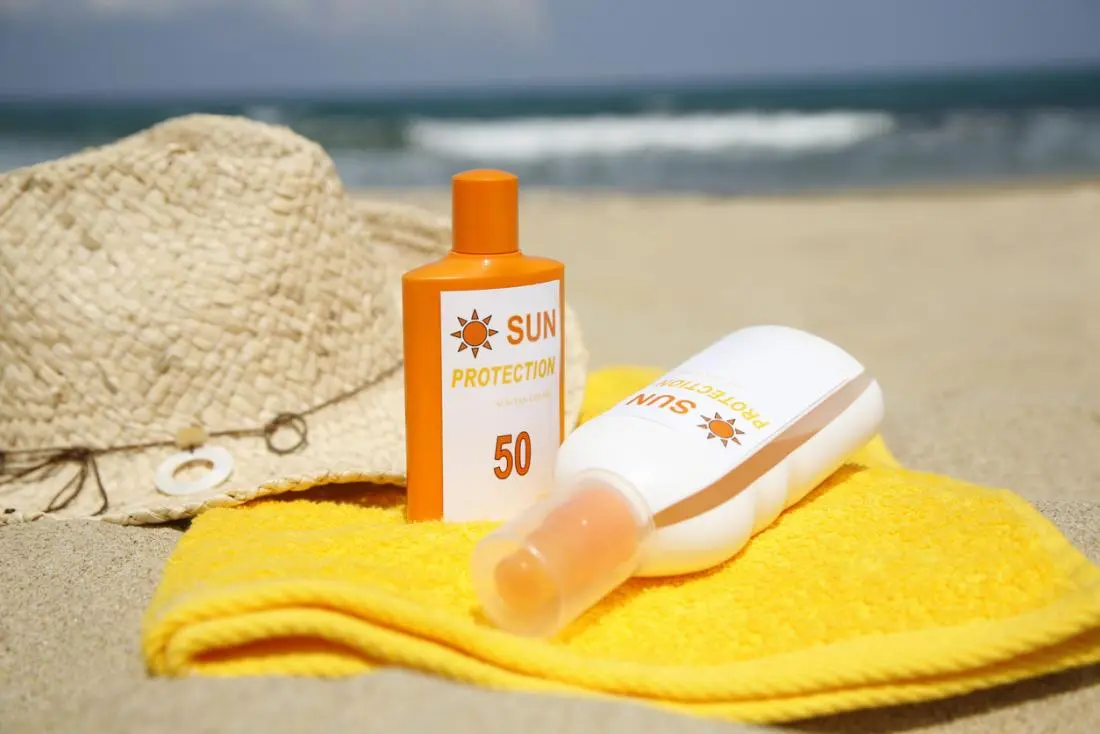
Summer is here, and most people are already enjoying exciting beach days, pool fun and other outdoor adventures. However, without the right sun protection, your much-needed escapades can leave you with an excruciating sunburn and a higher risk of skin cancer.
Not to worry, because with the right plan, you should be safe out there.
1. Choose The Right Sunscreen Type For You:
If you prefer mineral sunscreen, be aware that it sits on the skin’s surface and physically blocks UV light before it penetrates the skin. This method offers instant protection but can be harder to rub in, needs to be applied more frequently and tends to leave a white film on the skin.
If Chemical sunscreen is your choice, note that it allows UV light to penetrate your skin. After penetration, the chemicals in the sunscreen will then convert the UV light into heat, which is released from the skin. This type of sunscreen is easy to rub in and leaves less residue than mineral sunscreens. However, you’ll need to apply it at least 20 minutes before sun exposure because it’s not immediately effective.
2. Decide On The Sun Protection Factor:
Every sunscreen comes with an SPF number, which tells you how long the sunblock will protect your skin from the sun’s UV radiation. The higher the SPF number, the longer the protection should last.
In ideal conditions, if you wear sunscreen with SPF 30, it should take you 30 times longer to burn than if you weren’t wearing any sunscreen.
The difference between SPF 30 and SPF 50 is more than just timing. SPF 50 allows 2% of UVB rays to hit your skin, while SPF 30 lets 3% of rays through — exposing you to 50% more UV radiation.
3. Apply Sunscreen Correctly:
The Skin Cancer Foundation recommends applying at least 1 ounce (2 tablespoons or the amount that fills a shot glass). If you’re using chemical sunscreen, ensure you apply it at least 20 minutes before you head outside.
Also, because no sunscreen offers 100% protection, it is important to seek shade and wear protective clothing whenever possible.

Visit NaijaVibe HoT 100 Songs