


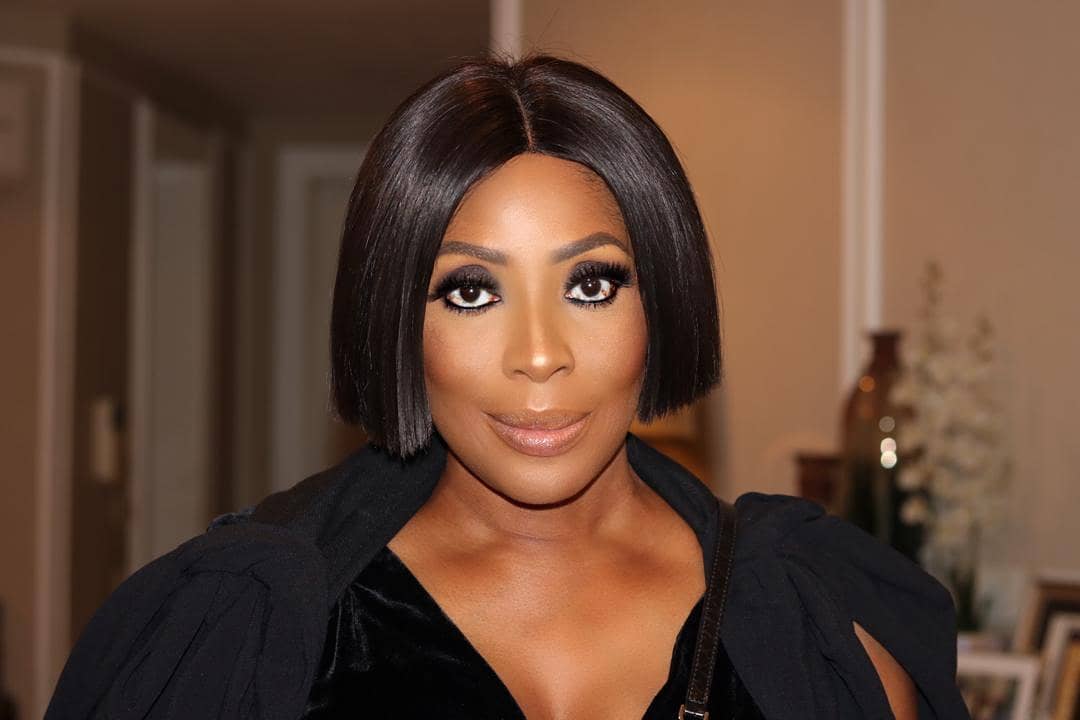
The Court of Appeal in Lagos has dismissed Mo Abudu’s appeal after her failed libel case. Recall that the filmmaker had sought N1.4 billion in damages over a 2009 opinion article in THISDAY newspaper that she said damaged her reputation over a charity concert.
Backing the earlier High Court that threw out the case, the Court of Appeal ruled that the lawsuit was dismissed because Abudu failed to produce independent witnesses to prove the publication harmed her reputation.
Justice Hassan, who delivered the lead judgment, added that while Oluyemisi Wada admitted to authoring the piece, authorship alone does not prove libel.
He said, “A person’s reputation is not based on the good opinion he has of himself but the estimation in which others hold him.”
Nollywood is a sobriquet that originally referred to the Nigerian film industry. The origin of the term dates back to the early 2000s, traced to an article in The New York Times. Due to the history of evolving meanings and contexts, there is no clear or agreed-upon definition for the term, which has made it a subject to several controversies.
The origin of the term “Nollywood” remains unclear; Jonathan Haynes traced the earliest usage of the word to a 2002 article by Matt Steinglass in the New York Times, where it was used to describe Nigerian cinema.
Charles Igwe noted that Norimitsu Onishi also used the name in a September 2002 article he wrote for the New York Times. The term continues to be used in the media to refer to the Nigerian film industry, with its definition later assumed to be a portmanteau of the words “Nigeria” and “Hollywood”, the American major film hub.
Film-making in Nigeria is divided largely along regional, and marginally ethnic and religious lines. Thus, there are distinct film industries – each seeking to portray the concern of the particular section and ethnicity it represents. However, there is the English-language film industry which is a melting pot for filmmaking and filmmakers from most of the regional industries.

Visit NaijaVibe HoT 100 Songs